
One app, not three
Arm and disarm the alarm, look at the cameras and answer the door from the same place, whether that is a phone somewhere else entirely or a screen inside the building.
Stainthorpe Electrical is a certified alarm installer. The alarm, the cameras and the electrical work supporting them are specified, installed and certified by the same contractor.

Licensed by the Private Security Authority, the statutory regulator for Ireland’s security industry. Fitting intruder alarms and CCTV is licensed work.
Wireless intruder alarm systems for domestic and commercial premises, specified according to the layout and requirements of the building. Panels support door and window contacts, motion detection, smoke and flood sensors, and control via a phone app.
Wireless keeps the disruption down: no chasing walls or lifting floors to run cable to every sensor, which matters most in a finished house or an occupied premises.
The app-based self-monitoring costs nothing to run. Where a property needs a third party watching it instead, the system can be put onto a monitoring station. Worth discussing on the quote, as it changes the specification.
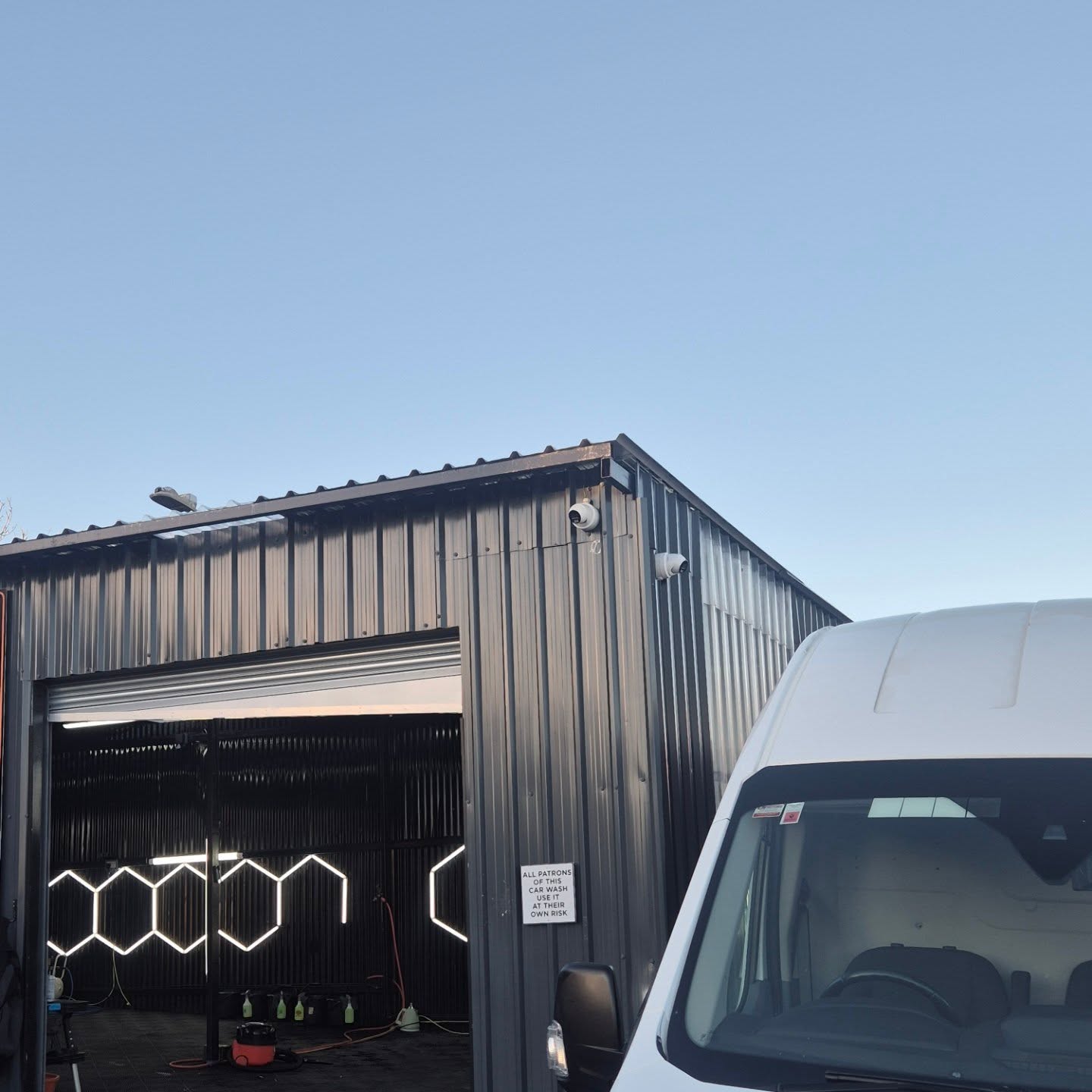
Wired IP camera systems for domestic and commercial premises, sited and configured to record usable footage at identification resolution. Systems can be viewed remotely from a phone or laptop.
Cameras are cabled, not wireless. A wired camera does not drop off the network, does not need its battery changed, and carries power and data on the run, which is the difference between footage you can use and footage that was not recording.
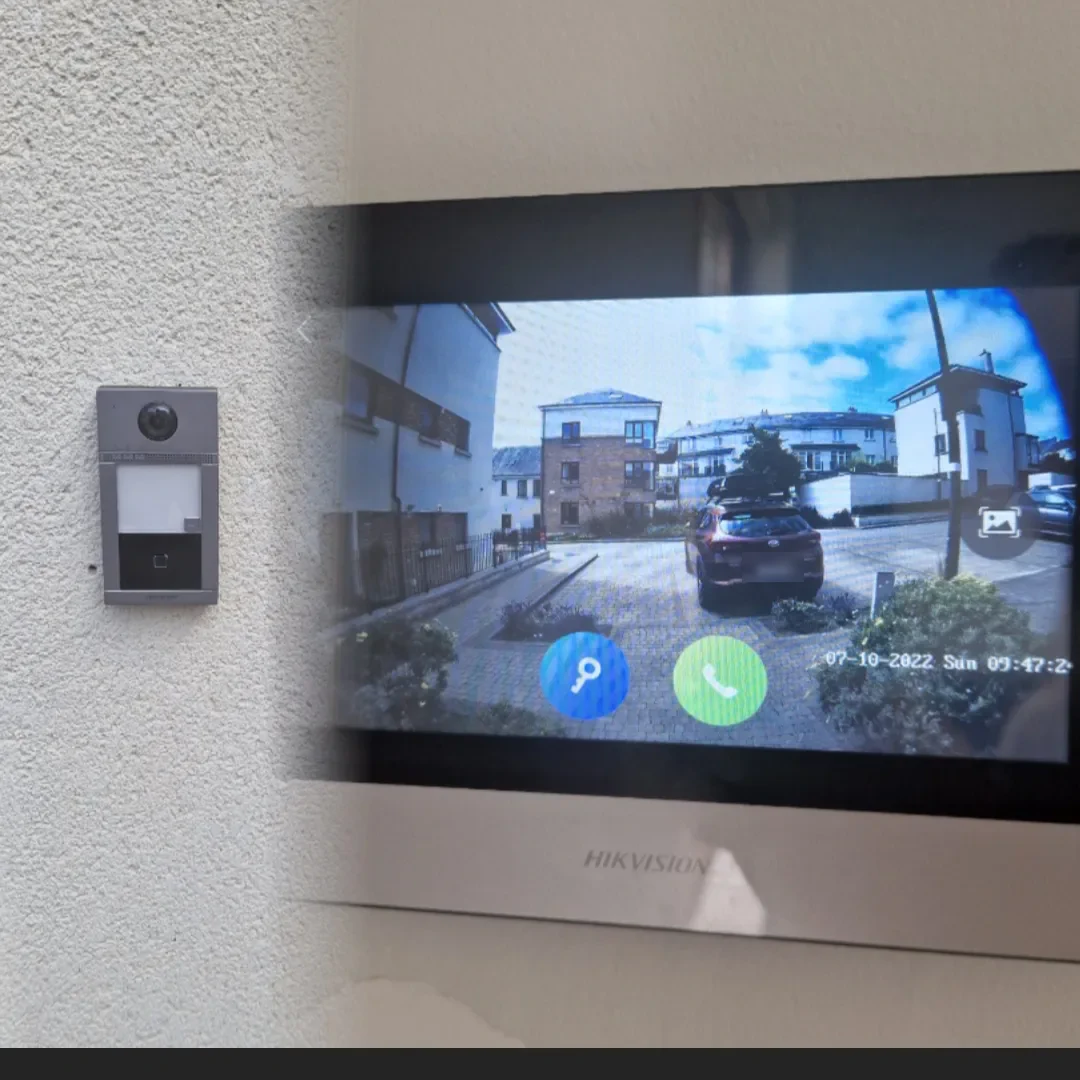
Audio and video door entry for houses, apartment blocks and commercial premises, wired and installed alongside the electrical work that feeds them.
One system, not three
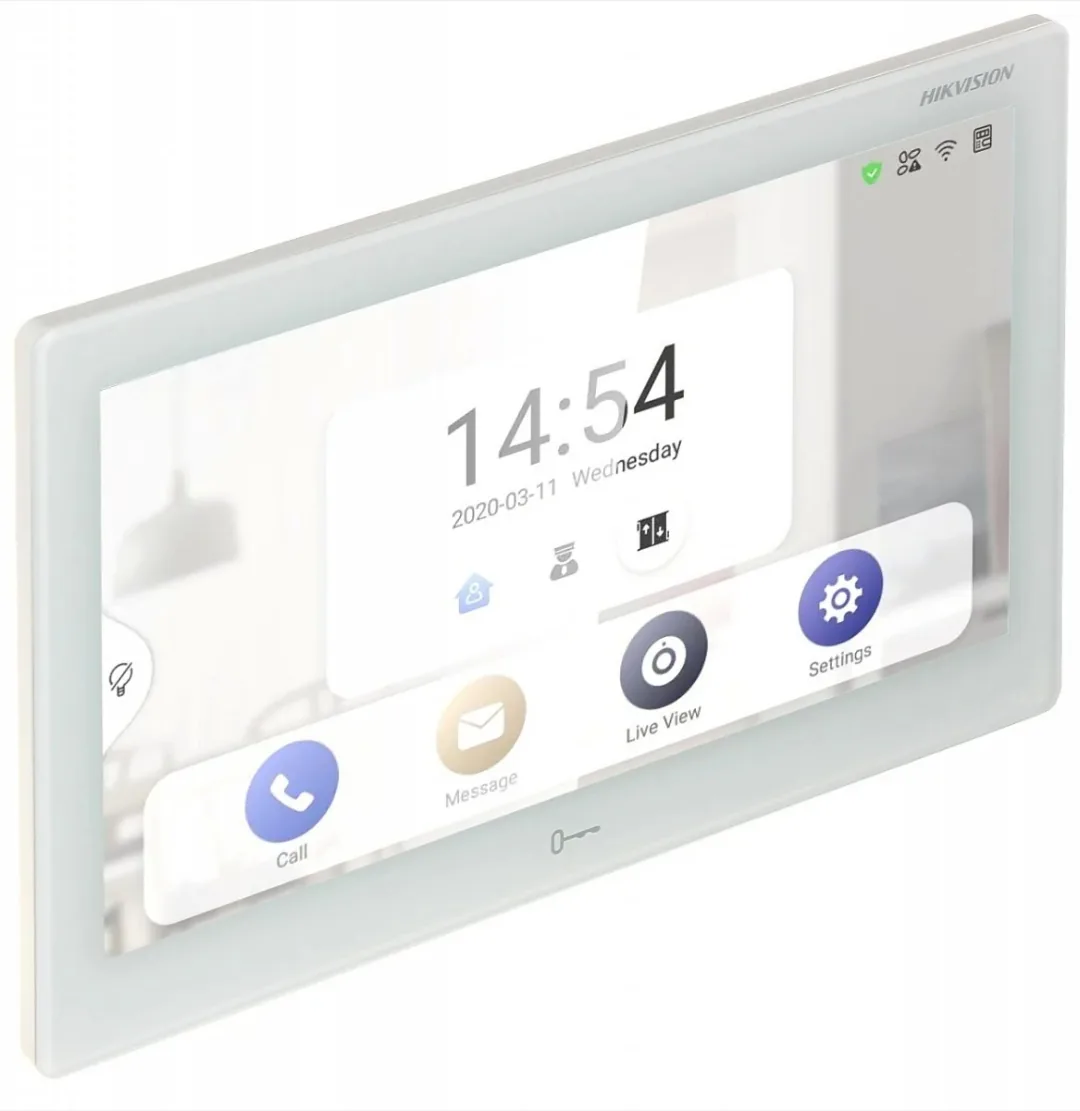
Specified together, the three work as one system: one app on the phone, or one hub screen in the building, rather than three that know nothing about each other.
Arm and disarm the alarm, look at the cameras and answer the door from the same place, whether that is a phone somewhere else entirely or a screen inside the building.
The recorder does the looking. Footage is searched rather than wound through by hand, so finding the few seconds that matter is a search rather than an afternoon.
Whether three systems integrate is decided when they are specified, not afterwards. One contractor choosing all three parts is what makes it possible at all.
How it fits together
Most of what an alarm does happens between its parts. Scroll through a typical installation, one element at a time.
The control panel is the system. Every device reports to it, and a keypad by the door is how the household arms and disarms it.
The premises is split into zones, so the panel can tell a back door from a landing, and so one area can be left active while another is not.
Contacts watch the doors and windows. Motion detectors cover the space in between. Each one is wired or paired back to the panel.
An external sounder makes the alarm audible outside the building, which is what a system needs to do when nobody is home to hear it.
The panel supports monitoring and control from a phone app, so the system can be armed, disarmed and checked from anywhere.
Schematic illustration. Not a photograph of a specific installation.
The power supply, the containment and the security system itself are installed as part of the same job by the same contractor.
Both the electrical installation and the security system are covered by one contractor, so responsibility for either is clear.
RECI registered for the electrical work, and licensed by the Private Security Authority for the alarms and cameras.
Available across Dublin, Meath and Wicklow.